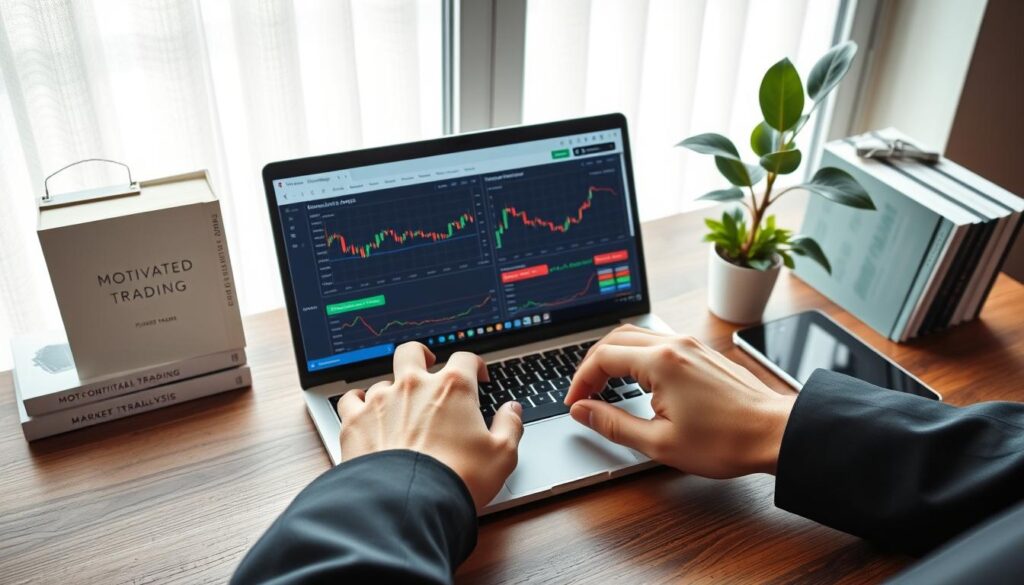
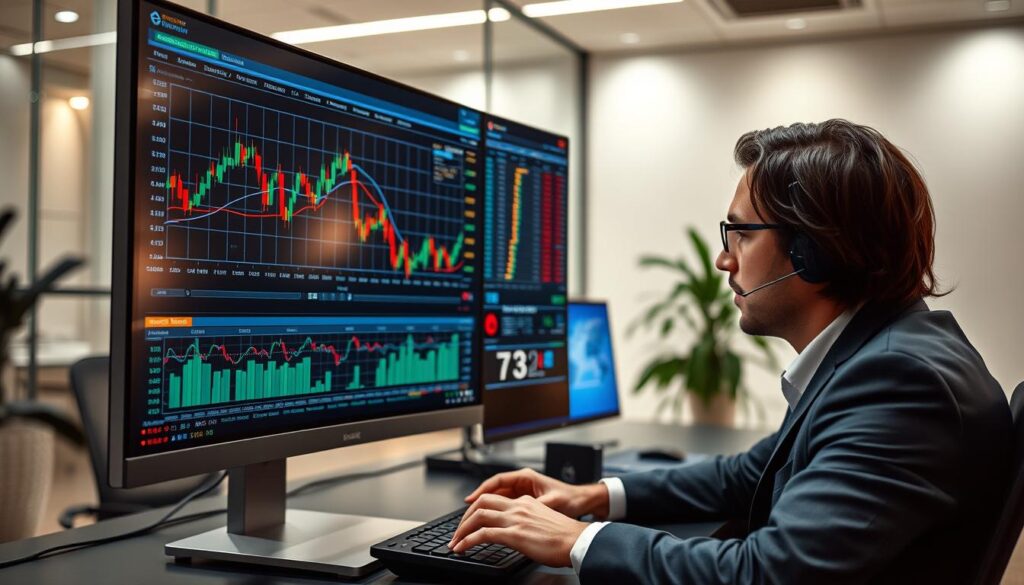
For those interested in futures trading, starting with a simulation can be an excellent choice. These platforms allow users to place virtual orders using live or replayed market data. This method helps both beginners and seasoned traders refine their strategies without risking real money.
With futures simulators, traders can experience the dynamics of the market. They can replicate orders, calculate margins, and analyze potential profits or losses in a risk-free environment. Notable platforms include NinjaTrader, Thinkorswim PaperMoney, TradingView, and Tradovate. Each offers unique features tailored for different trading styles.
Additionally, Goat Funded Trader stands out by providing simulated evaluations that can lead to funded accounts of up to $2 million. This opportunity is ideal for those looking to transition from simulation to real-world trading.
However, it’s essential to remember that simulated outcomes are hypothetical. They may not reflect the emotional pressure and unpredictability that come with trading real capital.
Introduction to Futures Trading Simulation
Individuals keen on enhancing their trading skills can benefit from simulated environments. These platforms allow users to engage in paper trading, where they can place hypothetical orders on contracts like E-mini S&P 500 or crude oil. This method helps users understand market dynamics without risking real money.
A virtual account reflects changes in price, commissions, and margin requirements. This means that traders can see how their decisions impact their accounts in real-time. Unlike live trading, simulated orders do not expose personal funds to financial risk.
Beginners can learn about contract specifications, leverage, and order types before entering live markets. With 90% of traders losing money in their first year, structured simulation becomes essential for identifying weaknesses. It’s important to note that while simulation is educational, it does not guarantee profit, as it cannot replicate every condition of live markets.
The Growing Demand for Simulated Trading Tools

The surge in interest for simulated trading tools reflects a shift in how traders approach market education. These tools offer valuable features that help traders refine their skills without financial risk.
One standout feature is Market Replay, which allows users to pause, rewind, and fast-forward through historical price action. This enables traders to revisit volatile sessions repeatedly, rather than waiting for similar market conditions to arise.
Moreover, performance reports generated by simulators provide objective metrics such as maximum drawdown, profit factor, and consecutive losses. These metrics help traders assess whether their strategies possess a durable edge.
Data analysis is crucial as it separates genuine performance from results influenced by a single favorable trending week. By repeatedly using simulations, traders can test their risk management strategies across various market conditions, including trending markets and low-liquidity sessions.
As demand for these tools grows, it becomes clear that measurable preparation is essential before moving from hypothetical positions into live markets.
| Feature | Description | Benefits |
|---|---|---|
| Market Replay | Pause, rewind, and fast-forward through historical price action. | Revisit volatile sessions for better learning. |
| Performance Reports | Metrics like maximum drawdown and profit factor. | Evaluate strategy effectiveness objectively. |
| Data Analysis | Separate genuine performance from anomalies. | Understand true strategy effectiveness. |
How Simulated Futures Trading Works

Understanding how simulated environments operate is crucial for aspiring traders. In these systems, a simulated purchase of one ES contract at 4,500 is evaluated against current liquidity and available market depth. This process is not just about filling an order; it considers queue priority and realistic conditions.
Realistic slippage and partial fills are vital, especially during volatile announcements or illiquid periods. They provide a more accurate reflection of what traders might experience in live markets. Additionally, real-time data feeds stream current prices into virtual accounts, enhancing the learning experience.
Contrasting live data with replayed data showcases different execution methods. Each approach supports various forms of strategy testing. Ultimately, the quality of execution in a simulator determines whether it fosters transferable habits or merely rewards quick, hypothetical fills.
Benefits of Practicing Without Financial Risk

Engaging in simulated environments offers a unique opportunity for traders to hone their skills without the burden of financial loss. This approach allows individuals to lose virtual funds while safeguarding their personal savings.
With the leverage available in futures markets, even small price movements can lead to significant dollar gains or losses. Thus, understanding position sizing becomes essential. Traders can repeat mistakes, review outcomes, and improve their strategies without damaging their emergency funds.
Repetition in a simulated setting builds consistency in entries, exits, stop placements, and daily loss limits. It’s crucial to treat virtual balances seriously. This way, the habits formed in simulation will remain useful when managing real capital.
Moreover, the absence of real financial consequences can reduce fear. However, simulated confidence must be tested against strict rules to ensure effective transition to live trading.
Top Products: The Best Futures Trading Simulators

Selecting the right platform is essential for those looking to refine their trading abilities. Several simulators stand out in the market, each offering unique features tailored to different needs.
Platform Comparison
When comparing simulators, consider their execution realism, analytics, and educational value. NinjaTrader is ideal for serious users, boasting over 100 technical indicators and advanced charting tools. In contrast, TradingView appeals to those who favor community scripts and coding capabilities.
User Interface and Tools
Thinkorswim PaperMoney offers a multi-asset experience with more than 300 indicators, while Tradovate provides a cloud-based interface that is beginner-friendly. CME Group’s simulator serves as a free introduction, covering essential concepts like tick size and contract specifications.
Cost and Accessibility
NinjaTrader features a free 14-day trial with live market data and no minimum deposit required. This accessibility makes it a top choice for many traders. In summary, each simulator has its strengths, making it crucial to choose one that aligns with individual trading goals.
Top Platforms: Where to Practice Futures Trading

Identifying the best platforms for honing trading skills is crucial for aspiring traders. Each platform offers unique features tailored to different needs. Here’s a quick overview:
- NinjaTrader: A robust choice for futures-specific simulation, covering CME, CBOT, NYMEX, and COMEX markets.
- TradingView: This platform is flexible, providing paper trading, advanced charting, and Pine Script for backtesting.
- Thinkorswim PaperMoney: Operated by Charles Schwab, it supports a multi-asset approach, combining futures with equities and options.
- Goat Funded Trader: A unique model where simulated performance can qualify traders for access to funded accounts up to $2 million.
By matching each platform’s features with trader profiles, users can find the right fit. Whether one is a beginner, technical analyst, or focused on funding, these platforms provide valuable tools for skill development.
Key Features of Leading Trading Platforms

Exploring the essential features of top trading platforms can significantly enhance a trader’s experience. Each platform offers unique tools that cater to different trading styles and needs. Understanding these features can help traders make informed decisions.
Advanced Charting Solutions
One standout feature is the advanced charting capabilities available on platforms like NinjaTrader. This platform includes market depth, customizable layouts, and over 100 indicators. Additionally, its no-code Strategy Builder allows users to create strategies without programming skills.
Another notable tool is the Playback Connection, which can replay recorded historical tick data at speeds of up to 1,000×. This feature compresses 90 days of data into accelerated practice sessions, enhancing learning efficiency.
Comprehensive Backtesting Tools
TradingView supports strategy development through its Pine Script environment. Users can access five-year backtesting examples, making it easier to evaluate potential strategies. This capability is crucial for traders looking to refine their approaches based on historical performance.
A strong simulator should integrate chart analysis, backtesting, replay, execution review, and performance reporting into one seamless workflow. This integration allows traders to develop and test strategies effectively.
In-Depth Look at NinjaTrader Simulator
The NinjaTrader simulator provides a comprehensive environment for traders eager to refine their techniques. This platform combines live market data, simulated data, and Playback Connection to meet various preparation and strategy-validation needs.
One of its standout features is the Market Replay, which allows users to access recorded tick data from the previous 90 days. This functionality operates at speeds of up to 1,000×, enabling traders to practice across selected sessions repeatedly.
NinjaTrader offers a free 14-day trial with livestreaming market data. After the trial, users can choose delayed data, subscribe to a live feed, or open an account for live data. The platform supports OCO orders, ATM strategies, and advanced charting across futures markets from four major exchanges.
Additionally, the no-code Strategy Builder allows traders to create rule-based systems before testing them against historical tick data. This feature enhances the learning experience and prepares traders for real market conditions.
| Feature | Description | Benefits |
|---|---|---|
| Market Replay | Access recorded tick data from the last 90 days. | Repeated practice across selected sessions. |
| Free Trial | 14-day trial with livestreaming market data. | Explore features before committing. |
| Strategy Builder | No-code system for creating trading strategies. | Facilitates testing against historical data. |
Insights into Thinkorswim PaperMoney
Charles Schwab’s Thinkorswim PaperMoney serves as a versatile platform for traders seeking a comprehensive simulated environment. This platform is ideal for those who want to explore multiple asset classes, including futures, equities, and options.
With more than 300 technical indicators, users can develop detailed chart-based analyses and multi-factor setups. This extensive range allows traders to enhance their strategies significantly.
Moreover, traders can engage in spread trades, hedges, and options overlays while gaining exposure to S&P 500 futures. However, it’s essential to note that execution may lag or fill more cleanly than in a live account. This limitation can affect its usefulness for precise fill replication.
Overall, PaperMoney is positioned as a strong analytical simulator. It provides valuable insights but should not be the sole tool for studying realistic order-flow behavior.
Exploring the Goat Funded Trader Model
The Goat Funded Trader model provides an innovative approach for traders looking to elevate their skills. This program offers multiple funding pathways, including one-step, two-step, three-step, and instant funding models. Each pathway allows traders to demonstrate their abilities and discipline in a simulated environment.
One of the key aspects of this model is the ability to scale trading capital up to $2 million. Traders can also benefit from profit splits that can reach 100% after meeting specific program requirements. This structure encourages traders to focus on consistent performance rather than chasing profits.
Additionally, the firm offers biweekly payouts and supports global participation from over 180 countries. Traders can utilize leverage up to 1:100, enhancing their trading potential. However, it’s crucial to adhere to daily and maximum loss rules to maintain discipline.
Overall, the Goat Funded Trader model transforms simulation into a meaningful evaluation process by measuring consistency, rule adherence, drawdown, and risk behavior.
| Funding Model | Description | Key Features |
|---|---|---|
| One-Step | Single evaluation for funding. | Quick access to capital. |
| Two-Step | Two evaluations required. | Gradual assessment of skills. |
| Three-Step | Comprehensive evaluation process. | In-depth skill assessment. |
| Instant | Immediate funding upon qualification. | Fast-track access to capital. |
Transitioning from Simulated to Live Trading
As traders step into the live market, they face emotional and strategic hurdles that simulations can’t replicate. The psychological shift from using virtual money to risking real capital can be daunting. Many traders perform well in simulated environments but may freeze or overtrade when faced with actual stakes.
One crucial aspect is the emotional pressure that real capital brings. Traders often execute flawlessly in simulations but may chase losses or deviate from their strategies when emotions run high. To mitigate this, it’s essential to carry identical risk-per-trade rules, daily loss limits, and stop placement procedures into live accounts.
Simulated trading cannot fully reproduce the liquidity gaps, slippage, or emotional stress encountered in live markets. Therefore, during the initial phase of live trading, it may be wise to reduce position sizes. This approach allows for psychological adjustment without excessive exposure.
Passing a simulated evaluation demonstrates process discipline. However, it does not guarantee future live performance or profit. Understanding these factors is vital for a successful transition.
| Challenge | Description | Recommended Approach |
|---|---|---|
| Emotional Pressure | Real capital creates stress that simulations lack. | Adopt strict risk management rules. |
| Execution Issues | Traders may freeze or overtrade under pressure. | Practice consistent strategy adherence. |
| Market Dynamics | Simulations can’t replicate real market conditions. | Start with smaller positions to adjust. |
Developing Effective Trading Strategies in a Simulated Environment
Crafting effective strategies in a simulated environment can significantly enhance a trader’s proficiency. By testing various approaches, traders can refine their methods without the risk of losing real money.
One practical example is using a 5/11 EMA crossover on E-mini S&P 500 futures. This rules-based strategy can be tested extensively. Traders can utilize TradingView to backtest this system over five years before moving to forward testing in paper mode.
Additionally, NinjaTrader offers the ability to replay Federal Reserve announcement sessions. This feature allows traders to assess performance during periods of sudden volatility.
When developing strategies, it’s crucial to track various performance metrics, including:
- Win rate
- Average win
- Average loss
- Maximum drawdown
- Profit factor
- Expectancy
- Consecutive losing trades
To ensure meaningful improvements, traders should refine only one variable at a time. This method allows them to determine whether changes genuinely enhance performance across different market conditions.
| Performance Metric | Description | Importance |
|---|---|---|
| Win Rate | Percentage of winning trades. | Indicates overall strategy effectiveness. |
| Average Win | Average profit per winning trade. | Helps assess profitability. |
| Maximum Drawdown | Largest peak-to-trough decline. | Measures risk exposure. |
Innovations and Trends Shaping Futures Trading Simulators
Recent advancements are transforming how traders engage with simulated environments. In 2025, key trends include AI-driven analysis, tighter leverage rules, and the increased use of Micro E-mini contracts.
AI integration is enhancing platforms by identifying setups and summarizing market conditions. This support allows traders to review their performance more effectively. As technology evolves, the importance of these tools in trader education will grow.
Tighter leverage rules are also emerging, emphasizing the need for practicing position sizing and loss control. This practice is crucial before entering live markets, as it prepares traders for real-world scenarios.
Micro E-mini contracts enable traders to scale into and out of positions with smaller exposure than standard contracts. This flexibility allows for more manageable risk levels, making trading more accessible.
The prop trading industry, valued at $6.7 billion globally in 2020, is projected to grow at a 4.2% CAGR through 2028. As simulators evolve, they will increasingly connect with this industry, providing valuable pathways for traders.
However, it is essential to remember that AI suggestions and smaller contracts do not eliminate market risk. Independent decision-making remains critical in navigating the complexities of trading.
| Trend | Description | Impact |
|---|---|---|
| AI Integration | Platforms use AI for setup identification and market analysis. | Enhances trader review and performance assessment. |
| Tighter Leverage Rules | New regulations emphasize risk management. | Increases focus on position sizing before live trading. |
| Micro E-mini Contracts | Allows smaller position scaling. | Makes trading more accessible with reduced risk. |
Crafting a Disciplined Trading Routine for Success
Establishing a consistent routine is vital for those looking to improve their trading skills. A structured daily regimen can significantly enhance a trader’s performance in simulated environments. By creating a disciplined approach, traders can maximize their learning potential.
Using the NinjaTrader platform, individuals can take advantage of a free 14-day trial with livestreaming market data. This trial allows traders to develop a routine without the pressure of immediate costs. Simulation itself has no stated time limit, offering flexibility for ongoing skill enhancement.
Here are some recommended practices to build a successful routine:
- Begin each practice day by reviewing scheduled events and defining acceptable loss limits.
- Select contracts and record planned setups to ensure focused practice.
- Journal entry rationale, order type, stop location, exit reason, execution quality, and emotional state after every trade.
- Schedule an end-of-week review to compare actual behavior with daily loss limits and performance metrics.
- Encourage ongoing simulation since NinjaTrader states that simulated trading has no time limit before transitioning to live markets.
By implementing these strategies, traders can create a disciplined approach that leads to greater success in their trading endeavors.
| Practice Element | Description | Benefits |
|---|---|---|
| Daily Review | Assess scheduled events and define loss limits. | Enhances focus and preparedness. |
| Trade Journaling | Document rationale and execution details. | Improves self-awareness and strategy refinement. |
| Weekly Review | Compare actual behavior with set metrics. | Identifies areas for improvement and reinforces discipline. |
Final Reflections on Simulated Trading for Real-World Profit
Choosing the right simulator can greatly influence a trader’s learning experience. The best choice depends on whether one prioritizes realistic execution, advanced charting, or educational features. For instance, NinjaTrader excels in replay and automation, while Thinkorswim PaperMoney offers robust multi-asset analysis. Additionally, the CME Group is excellent for contract education.
It’s important to remember that simulated profits are hypothetical and do not guarantee success in live accounts. Consistent risk limits, detailed journaling, and objective metrics are far more valuable than fleeting virtual wins. Comparing at least two platforms with the same strategy allows traders to evaluate fills, interfaces, and personal discipline effectively.
Finally, live results can differ due to market conditions, liquidity, and the emotional weight of trading real capital. This transition requires careful consideration and preparation.