
The world of finance is constantly evolving, and for those looking to navigate its complexities, a robust platform is essential. A trading simulator serves as a critical bridge for investors eager to master intricate financial instruments without risking their capital. By using a professional platform, users can gain invaluable experience in a risk-free environment.
This guide will explore the best tools available in 2026, designed to help refine your strategy and build the confidence needed for long-term success. Every serious trader must recognize that simulated trading is the first step toward professional development in the volatile landscape of global finance.
Whether you are just starting or have years of experience, selecting the right simulator is a pivotal decision. These digital environments replicate real-world conditions, ensuring you are well-prepared for the challenges that await in live markets.
Understanding the Role of Futures Trading Simulators
In a rapidly evolving financial world, the need for effective trading tools is more pressing than ever. A professional trading simulator provides a virtual space where users can practice order entry and strategy testing without any financial exposure. This controlled environment allows traders to refine their skills while minimizing risk.
By leveraging over 100 technical indicators found in the NinjaTrader environment, participants can gain a realistic experience that mirrors the complexity of live exchanges. These sophisticated tools enable traders to flex their futures muscles and navigate various global market conditions.
Unlike traditional paper trading, modern simulators offer a comprehensive look at market depth. Understanding how institutional orders impact price is crucial for any trader. The primary benefit of this learning process is the ability to sharpen skills in a setting that mimics the pressure of real-world trading.
Traders who utilize these resources effectively are better positioned to handle the psychological demands of the market once they transition to live capital.
Exploring the Evolution of Online Trading Platforms
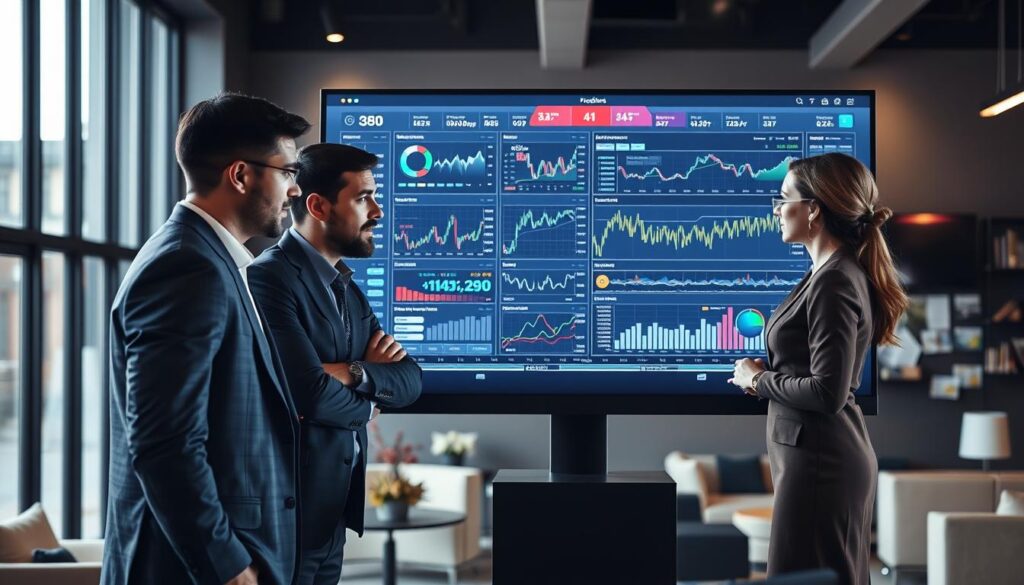
As the financial landscape continues to shift, the demand for innovative platforms is becoming increasingly clear. Modern trading platforms have evolved significantly to meet the needs of retail participants. The push for faster data streaming and reliable execution has driven this transformation.
Institutions like the CME Group have modernized their infrastructure. This allows firms such as TradeStation Securities to offer high-quality access to global markets. With advanced technology, traders can now access real-time data, which is essential for making informed decisions.
Since futures are regulated as commodities, the platform landscape offers more flexibility than stock trading. This flexibility allows traders to analyze price action with greater precision. Continuous improvements in streaming capabilities have narrowed the gap between simulated environments and live markets.
Benefits of the online futures trading simulator
The quest for trading success often hinges on the ability to test strategies in a risk-free setting. Utilizing a trading simulator allows investors to conduct rigorous strategy testing using both real-time and historical data sets for maximum accuracy.
By removing the risk of losing actual capital, traders can focus entirely on refining their entry and exit logic. This freedom from financial pressure enables them to enhance their skills without the interference of emotional stress.
Furthermore, validating a strategy against historical data ensures that the approach is robust enough to withstand various market conditions before going live. Consistent practice naturally enhances confidence, as users become familiar with the mechanics of order execution.
This risk-free approach is particularly beneficial for those new to the complexities of futures. It provides a buffer against early mistakes, allowing traders to learn and grow. Ultimately, the simulator acts as a laboratory where the effectiveness of a trading plan can be measured and improved upon before real money is involved.
Comparing Trading Simulator Engines: Replay-Based vs. Live-Paper
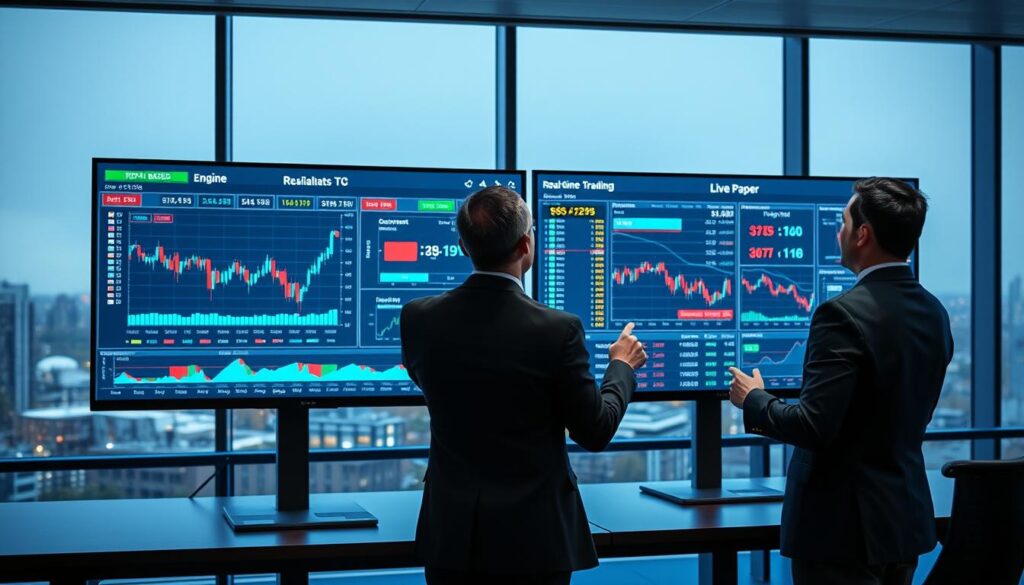
In the quest for effective practice, choosing the right engine for a trading simulator is crucial. Different engines offer unique advantages that can significantly impact a trader’s learning experience.
Replay-based systems allow traders to condense weeks of practice into just a few days. For instance, NinjaTrader’s Playback Connection enables users to access 90 days of historical tick data. This feature is vital for recognizing deep market patterns.
By replaying past market events at speeds of up to 1,000x, traders can observe how prices respond to various catalysts without waiting for the live market to open. This rapid analysis helps develop quick decision-making skills.
On the other hand, live-paper engines excel in testing real-time execution. They provide a more authentic experience of market conditions. However, replay-based tools are superior for building fundamental skills through focused, repetitive practice.
Understanding the differences between these two data delivery types is essential. It can help maximize the efficiency of a trader’s daily routine. The ability to pause and rewind historical sessions offers an unprecedented level of control over the learning process.
Key Features to Look for in a Futures Trading Simulator
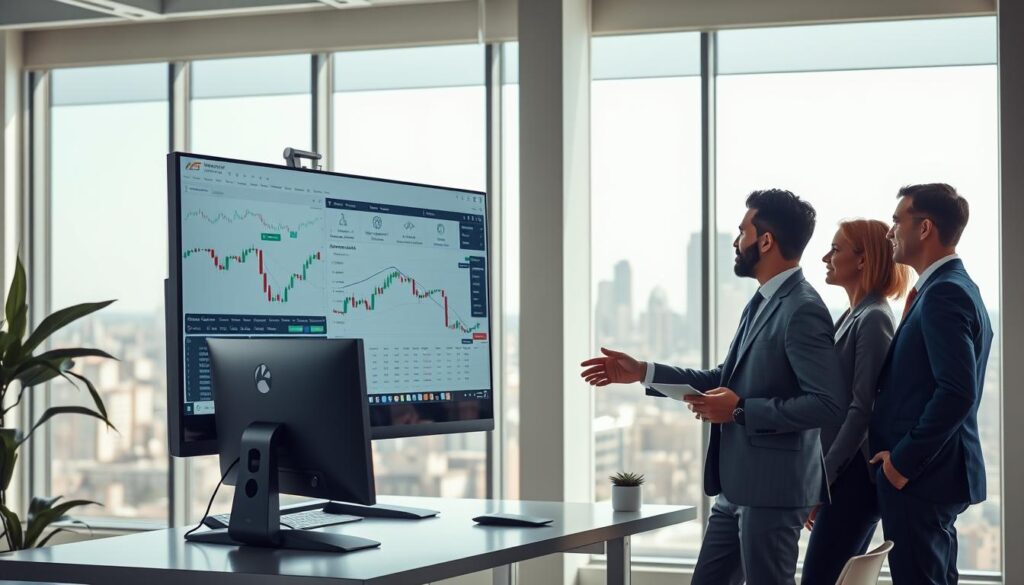
Choosing the right features in a trading simulator can significantly enhance a trader’s learning experience. When evaluating these tools, several key components stand out as essential for effective practice.
Tick-by-Tick Data and Realistic Fill Logic
A high-quality simulator must offer tick-by-tick data. This feature allows users to see the actual price movements within each bar. Additionally, realistic fill logic is crucial. It simulates the slippage and limit order behavior that traders encounter in live markets.
Micro Futures Support and Integrated Trade Journaling
Support for micro futures, such as the ES and NQ contracts, enables users to practice with familiar risk parameters. Furthermore, integrated trade journaling is vital for tracking performance. It automatically captures entry and exit points for later review.
Understanding the tick value of instruments, like the $12.50 ES contract, helps traders calculate potential profits and losses accurately. By prioritizing these features, practice sessions can closely mimic real market experiences, reducing the shock of transitioning to live trading.
Developing Effective Trading Strategies in a Simulated Environment

Crafting successful strategies in the financial market requires a systematic approach to practice. Engaging in focused drills helps traders hone their skills and prepare for real-world scenarios.
One effective method is to utilize NinjaTrader’s Strategy Builder. This tool allows users to create automated setups without needing coding skills. Testing these strategies in a controlled environment enhances their effectiveness.
Drills Like Opening Range Breakout and Trend Pullback
- Consistent practice with specific drills, such as the opening range breakout, is essential for mastering professional strategies.
- Trend pullback drills help traders identify high-probability entries, ensuring they act decisively when market conditions align.
Stress-Testing Automated Setups Through Backtesting
- Stress-testing automated strategies against various market conditions is crucial for reliability when trading real capital.
- Documenting results allows traders to pinpoint which strategies yield the best expectancy, focusing their efforts on proven setups.
The ultimate goal is to build a library of successful strategies that can be confidently deployed in any market environment.
Utilizing Advanced Technical Indicators and Charting Tools
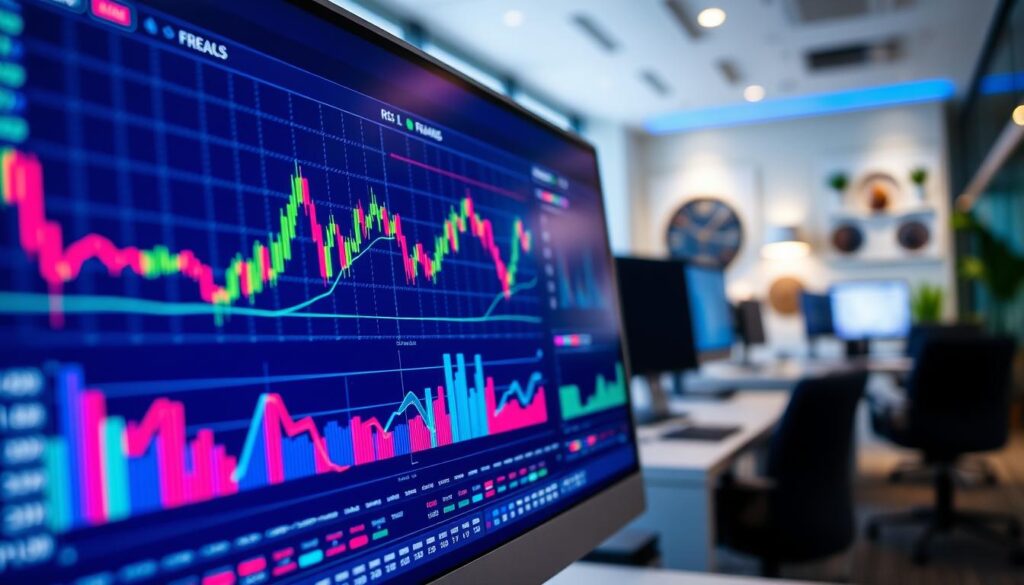
To succeed in the competitive landscape of finance, traders must leverage advanced tools and indicators. Utilizing sophisticated indicators like VWAP and Pivot Points is essential for gaining an edge in the futures market. These tools provide valuable insights into price movements and trends.
Modern charting tools allow for the customization of the trading interface. This ensures that all necessary data is visible during the heat of the session. A custom strategy builder enables users to translate their unique market theories into actionable rules that can be tested and optimized for better performance.
By mastering these tools in a simulator, traders learn how to interpret complex price action without the distraction of real-time financial risk. The integration of over 100 indicators provides a comprehensive view of the market, allowing for nuanced analysis of support and resistance levels.
Consistent use of these charting features helps build the visual recognition skills required to identify profitable opportunities in the live market.
Learning Through Simulation: Structured Practice and Performance Tracking

In the pursuit of trading excellence, setting measurable objectives is crucial for continuous improvement. Structured practice forms the foundation of success in the financial markets. Traders must monitor their drawdowns as if they were handling a live account.
By tracking key performance metrics, such as win rate and profit factor, users can evaluate their progress objectively. This data helps identify areas needing improvement, making the learning process more effective.
Monitoring drawdowns in a simulated environment teaches vital risk management skills. This ability is essential for long-term survival in the market. Additionally, setting specific, time-bound goals maintains focus during practice, reducing aimless clicking that often affects inexperienced traders.
With access to unlimited simulated trading, traders can refine their strategies until their performance metrics meet professional standards. Consistent tracking of every trade ensures valuable lessons are learned, building a sustainable edge for future success.
Transitioning to Live Trading: From Simulation to Real Capital
The shift from practice to live trading requires a solid understanding of risk management and market dynamics. This transition is crucial for traders looking to apply their skills in real-world scenarios. Starting with micro contracts can help ease this process.
Micro contracts, such as the MES and MNQ, allow for smaller position sizing. This is ideal for managing exposure when moving from a simulated account to a live one. Understanding the tax benefits of futures under Section 1256 is also essential, as it allows 60% of gains to be treated as long-term capital gains.
- Transitioning to live trading requires a disciplined approach to risk management, often starting with micro contracts to keep exposure manageable.
- Unlike the trading of stocks, futures offer unique tax advantages that can significantly impact the net profitability of an active account.
- Traders should ensure their order execution skills are sharp before moving from a simulated environment to a live account with real capital.
- By scaling up slowly using micro contracts, you can maintain the same risk profile practiced in the simulator while adjusting to live orders.
- Proper risk management practices, such as setting strict stop-loss orders, are the final barrier between a successful career and a blown account.
- The transition is not just about technical skill; it is about proving that you can maintain your strategy’s performance when real money is on the line.
Mastering the Trader’s Mindset in a Realistic Trading Environment
Achieving success in the financial markets goes beyond just technical skills; it requires a strong mental framework. Mastering the trader’s mindset is crucial, especially in a realistic trading environment where emotions can run high.
Simulated trading offers a unique opportunity to practice, but it does not fully replicate the emotional stakes of risking real capital. Therefore, developing a disciplined approach is essential.
Overcoming FOMO and Enforcing Trading Discipline
Overcoming the fear of missing out (FOMO) is vital. This emotional challenge can lead traders to make impulsive decisions during market volatility. Enforcing strict discipline means adhering to a well-defined strategy, even when the market is tempting you to chase moves.
Emotional Management Under Market Pressure
Emotional management is a skill that must be cultivated. The psychological impact of real money is vastly different from that of simulated trades. By treating every simulated order with seriousness, traders build the mental fortitude needed for real-world conditions.
- Mastering the trader’s mindset requires overcoming FOMO and enforcing discipline, even during volatility.
- Emotional management under pressure is essential, as real money brings different psychological challenges.
- Building confidence in your process is the best defense against fear and greed.
- A realistic trading environment helps identify emotional triggers, allowing for the development of coping mechanisms.
Final Thoughts on Building Trading Confidence and Future Success
The journey to becoming a successful investor requires both dedication and the right tools. The futures trading simulator is an indispensable resource for anyone serious about long-term success in the financial markets.
By committing time to structured practice, traders can cultivate the confidence needed to navigate the complexities of the simulator effectively. This process is vital for developing a consistent edge that can be verified through rigorous data analysis.
As you progress, always prioritize risk management and discipline. These qualities are hallmarks of professionals who utilize the futures trading simulator effectively. We hope this guide has clarified how to choose the right tools and embark on your path to becoming a profitable, independent trader.
Remember, success in this field is a marathon, not a sprint. Your commitment to using the futures trading simulator will undoubtedly pay dividends in your future career.
Related Simulator Articles


