Many new futures traders face a big question. Should they start with real money right away? Or does a risk-free practice method offer more value?
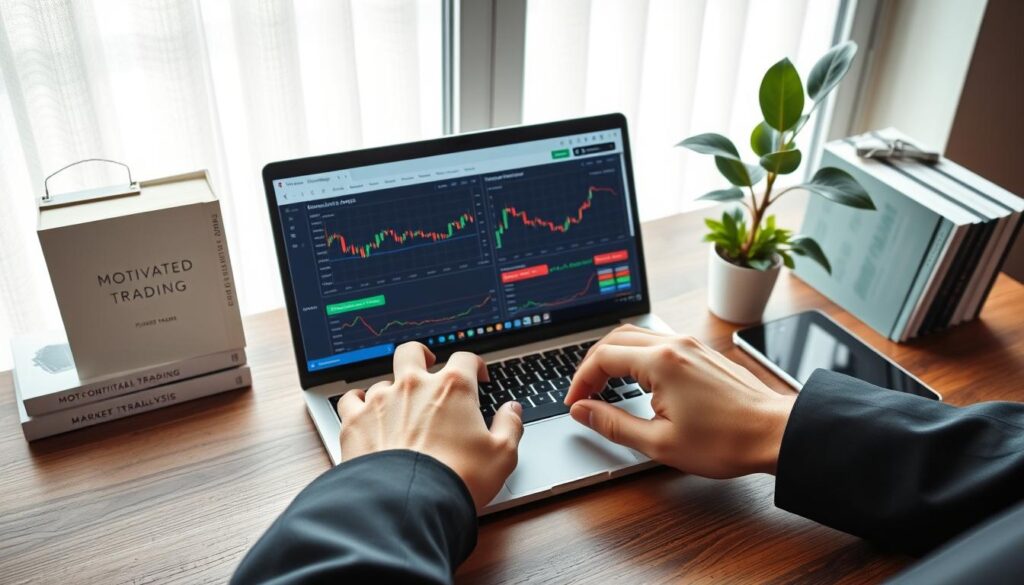
This simulated approach lets people buy and sell without using actual cash. According to Investopedia, it provides a safe space to gain experience. A virtual account helps test different market strategies.
Some professionals believe jumping into live action teaches the most. They argue that real emotions only come with real capital on the line.
Others see great benefit in a disciplined, simulated start. They feel a strong foundation prevents costly early mistakes.
This article explores the core mechanics of this practice. We will look at the clear pros and serious cons. Our goal is to help you decide if this method fits your personal goals and professional journey.
Understanding the Fundamentals of Paper Trading
Long before digital platforms, market enthusiasts honed skills through manual methods. This simulated practice has evolved significantly from its humble beginnings.
Defining Paper Trading and Its Origins
The famous stock speculator Jesse Livermore used a special chalkboard. He recorded and analyzed multiple instruments simultaneously to track trends.
Historical price data came from a broker or a newspaper’s back page. This manual approach formed the core of early market simulation.
Evolution from Manual to Digital Simulators
Sophisticated electronic platforms now mimic real-world environments. These digital tools replaced tedious pen-and-paper record keeping.
Modern virtual accounts provide a more efficient way to gain practical experience. Users can focus on analyzing price movements rather than just logging data.
The entire process offers a risk-free space to develop crucial skills. This evolution fundamentally changed how a trader approaches the stock market.
How to Engage in Paper Trading for Practical Experience

Effective simulation requires careful setup and the right digital tools. A structured approach builds confidence and refines market skills.
Setting Up a Virtual Trading Account
Begin by selecting an initial virtual balance. This amount should mirror your real capital goals for realistic practice.
Consistently log all transaction parameters. Note the opening price, closing price, and trade direction. This habit creates a clear performance record.
Selecting the Right Trading Platform and Tools
Choose a reliable platform like MT4, MT5, or NinjaTrader. These systems deliver real-time market data essential for accurate simulation.
Experts suggest focusing on timeframes from M5 and higher. This prevents confusion from overly hasty data and keeps analysis manageable.
A dedicated platform helps track daily performance. It provides crucial insights into decision-making patterns over the course of a day.
Advantages of Paper Trading for Aspiring and Experienced Traders
While nearly all market newcomers crave immediate profits, the simulated approach offers foundational benefits they often overlook. This method provides a safe space to build essential competencies.
Risk-Free Learning and Skill Development
A virtual account creates a protective shield for your capital. You can test various market strategies without fear of losing hard-earned money.
This environment removes emotional pressure from real losses. A trader focuses on developing skills for consistent performance instead.
Reviewing past decisions builds crucial confidence. Identifying personal strengths and weaknesses happens before risking actual funds.
Developing Discipline and Enhancing Focus on Price Movements
Manual recording effectively teaches market basics. This process builds long-term discipline that many professionals value.
Focus shifts from complex indicators to pure price action. A deeper understanding of how strategies perform in different conditions emerges.
This disciplined practice helps traders return to core principles after challenging experiences. The foundation supports future success with real capital.
Challenges and Limitations in Paper Trading

Despite its benefits, simulated market practice comes with significant hurdles that every participant should acknowledge. These obstacles can affect how well skills transfer to live environments.
Time-Consuming Processes and Manual Record Keeping
Short-term trading activity can involve 100 to 200 transactions in a single day. Logging each one manually becomes a tedious task.
This process demands considerable effort from newcomers. It can distract from analyzing price action and honing strategy.
Difficulty Replicating Real Market Emotions and Conditions
The virtual environment lacks real financial consequences. This absence often fails to evoke the intense emotions of greed and fear that come with actual profits or losses.
Simulators may not perfectly mimic liquidity or order slippage. Results from this practice can be skewed compared to real market conditions.
A psychological disconnect develops without real money on the line. This gap can hinder the development of true risk management discipline. Dealing with live volatility remains a separate challenge.
is paper trading worth it for Futures Traders?

Determining the usefulness of a risk-free simulator requires honest self-assessment. For futures professionals, the value hinges entirely on how they apply the tool.
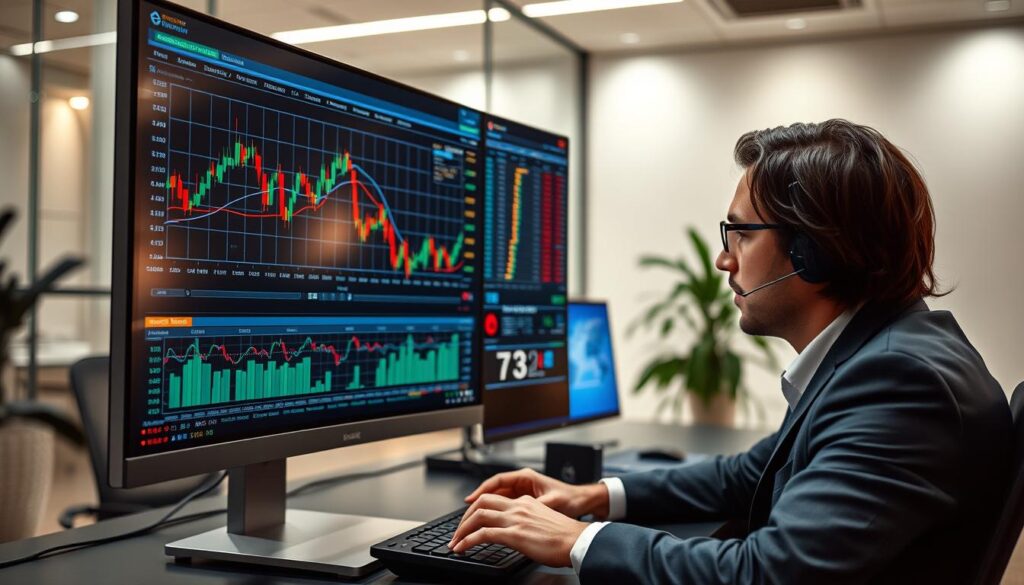
A platform like NinjaTrader delivers real-time quotes and a built-in stock market simulator. This allows a trader to evaluate complex financial products before committing capital.
The virtual environment provides a safe space to test strategies against volatility. While it cannot replicate live market adrenaline, it reveals if a plan holds under pressure.
Many successful individuals use this method to bridge theory and practical rules. The true benefit comes from refining specific approaches with disciplined focus.
Ultimately, the process yields results proportional to the seriousness of the simulation. Approaching it with real-world rigor builds a foundation for confident execution.
Transitioning from Paper Trading to Live Trading Strategies

The shift from a virtual portfolio to real capital introduces a new set of psychological and strategic challenges. This move requires a deliberate and cautious approach.
Building Confidence with Virtual Portfolios
A simulator provides the perfect arena to make mistakes. One new member learned this the hard way, losing 60% on a straddle trade by failing to close it before earnings.
That costly error could have been a free lesson in a virtual account. Even professionals with over ten years of experience should start paper trading when exploring a new specialty. This practice builds essential confidence before real execution.
Adjusting Risk Management for Real-World Trading
The core adjustment is psychological. You must learn to manage risk without risking real money first. The pressure of live volatility feels entirely different.
Gaining experience by testing strategies in a virtual environment is a non-negotiable step. It refines a trader’s plan and exposes flaws in a safe space. This disciplined preparation directly supports future performance with actual capital.
Final Insights for a Successful Trading Journey
Building sustainable trading skills is a marathon, not a sprint, calling for patience and structured effort.
For beginners, a great first step involves a realistic simulator. TradingSim.com offers a 7-day free trial, letting new traders practice their skills in a dynamic environment.
Treat every virtual session with the same focus as a live account. This disciplined approach builds essential habits. Mastering entry and exit rules often requires years of dedicated practice.
Professional trading platforms provide the tools to review performance. Analyzing past decisions reveals patterns that lead to consistent market success.
Ultimately, paper trading serves as a powerful foundation. It builds the confidence and discipline needed to navigate complex financial landscapes, all without risking real money.