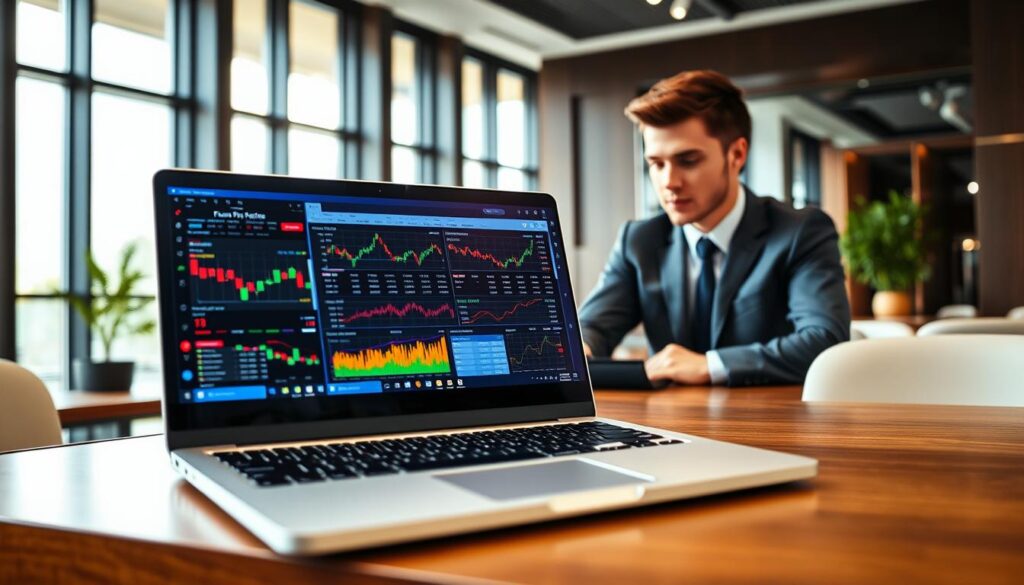
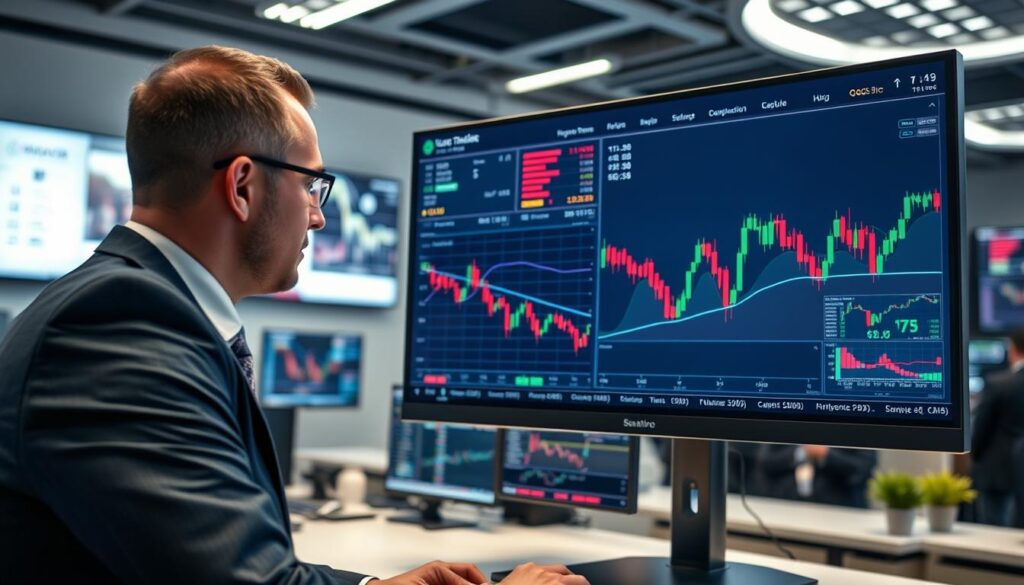
Entering the world of derivatives can feel daunting for many. A futures demo account offers a perfect starting point. This virtual platform provides a safe space to learn.
These simulated environments use real-time data. Trading activity happens without any real financial risk. People can practice their strategies freely.
Platforms like RJO Futures and TradingView provide robust paper trading features. They offer substantial virtual capital to work with. This allows for realistic position sizing.
The main goal is education and skill development. Traders gain valuable experience in market dynamics. They learn to manage volatility and execute orders.
This practice helps build confidence before moving to live markets. It is an essential step in any serious trader’s journey.
If you’re new to simulated trading, we recommend starting with our complete guide on futures paper trading and demo accounts, where we explain everything step by step.
Understanding the Futures Demo Account
Many individuals discover paper trading as their first step into market participation. This simulated environment mirrors real trading conditions without financial exposure.
Purpose and Benefits of Simulated Trading
Paper trading accounts provide a comprehensive tool for understanding market mechanics. Traders apply technical and fundamental analysis using virtual funds.
The system tracks all orders and positions. This allows users to see how profitable their strategy becomes over time.
Risk-Free Environment and Learning Opportunities
The primary benefit lies in hands-on experience with real market data. Economic reports and geopolitical events impact prices just like live markets.
Traders build confidence by testing various strategies safely. They learn order execution and platform navigation without fear of loss.
This practice helps develop discipline and emotional control. Mistakes become valuable lessons rather than financial setbacks.
Exploring the Features and Advanced Trading Tools
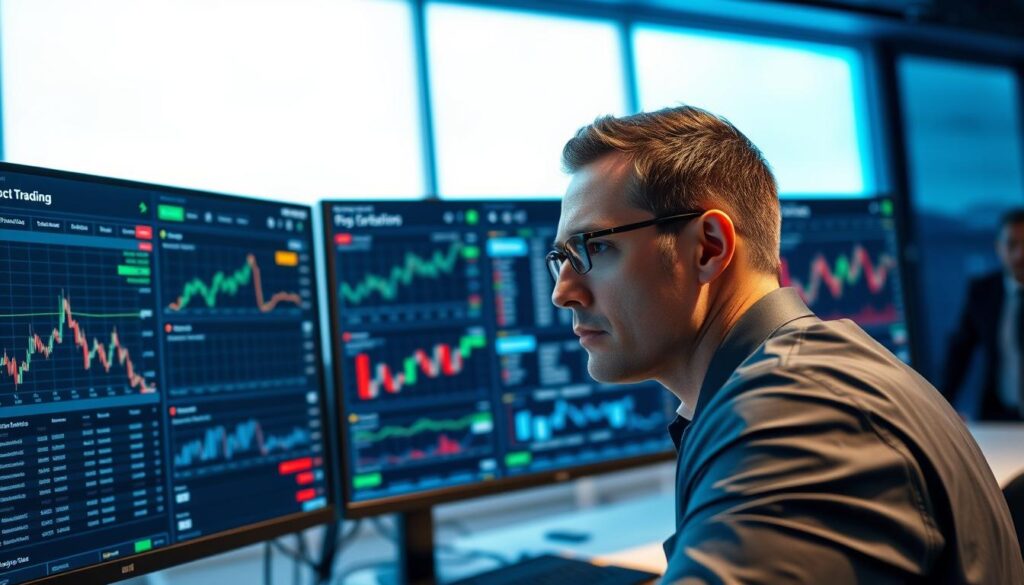
The evolution of simulated trading environments has introduced powerful features that closely mimic real market conditions. These sophisticated platforms provide comprehensive tools for effective learning and strategy development.
Real-Time Market Simulation and Trading Platforms
Modern platforms deliver live price quotes and market data identical to professional systems. Traders experience actual market dynamics without financial risk. This realistic simulation builds essential skills.
Platforms like RJO Futures offer Click N’ Trade for one-click execution from charts. The DOM Trader displays bid-ask ladders, showing market liquidity. These tools help understand how large orders impact prices.
TradingView’s paper trading starts with substantial virtual capital. Pre-configured leverage varies by asset class. This allows realistic position sizing across different markets.
Integrated Order Management and Charting Capabilities
Advanced systems combine analysis, order placement, and risk management in one interface. Traders can monitor positions and execute trades seamlessly.
Order management includes OCO (One-Cancels-Other) functionality with GTC capability. Customizable alerts trigger based on price, time, or technical studies. This enables efficient market monitoring.
Comprehensive charting tools feature moving averages, RSI, and volume analysis. Options calculators model potential outcomes. Visual order placement directly on charts makes technical analysis actionable.
Futures Demo Account: Limitations and Transitioning Strategies

The gap between practice and performance becomes apparent when traders transition from virtual to actual capital. While paper trading builds essential skills, it cannot replicate the emotional intensity of risking real funds.
Recognizing Platform Limitations and Data Differences
Simulated environments often show ideal execution conditions. Real markets experience slippage during volatile periods. This difference can significantly impact trading results.
The psychological component represents the biggest limitation. As RJO Futures notes, simulated trading cannot account for financial risk’s emotional impact. Traders may execute strategies flawlessly with virtual money but struggle when real capital is at stake.
Market liquidity constraints may not appear in paper trading. Large orders might fill at favorable prices that wouldn’t be available in live markets. This creates unrealistic expectations about position sizing.
Successful transitioning requires a gradual approach. Start with minimal position sizes to acclimate to psychological differences. Maintain the same disciplined strategy practiced during simulation.
Traders should establish specific benchmarks before moving to live accounts. Consistent profitability and demonstrated risk management over time indicate readiness. Detailed records help identify behavioral changes when real funds are involved.
Wrapping Up: Elevate Your Trading Strategy
Building lasting success in financial markets demands thorough preparation and systematic learning. The simulated environment provides this essential foundation for developing effective approaches.
Traders should treat every practice session with the same discipline as real market participation. Maintaining detailed records and following risk management rules creates valuable habits. This approach transforms theoretical knowledge into practical skill.
Platforms like RJO Futures offer comprehensive access to test strategies across various instruments. TradingView allows multiple simulated setups for different approaches. The transition to live markets should follow clear benchmarks demonstrating consistent results.
Confidence grows from tested methods and understanding market behavior. Proper preparation directly impacts long-term performance and capital preservation.
To get started right away, visit our homepage dedicated to future demo accounts and explore the best options available.
Read Also