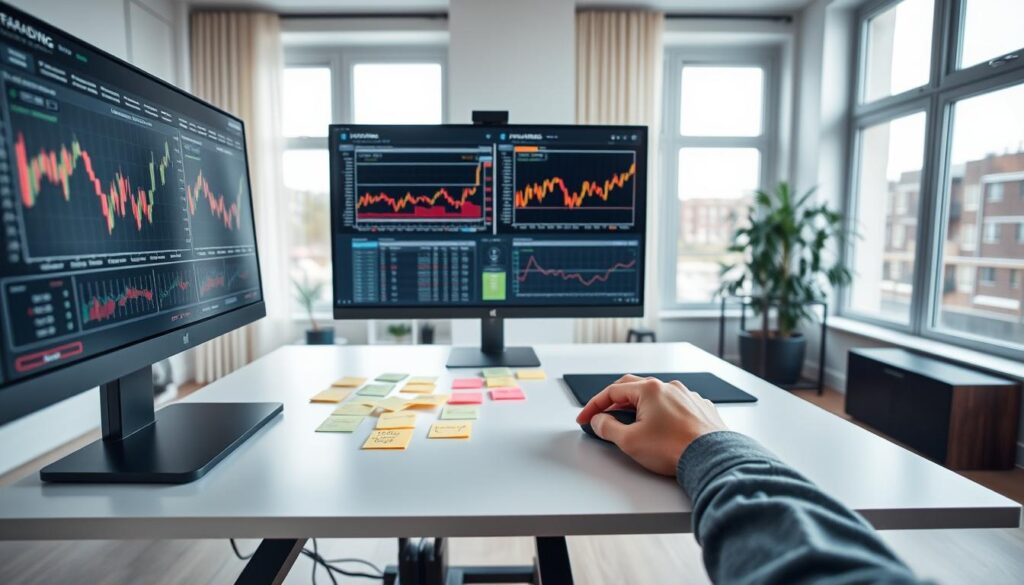
Entering the world of futures trading can feel overwhelming for a newcomer. The market moves fast, and the terminology is complex. A simulated account offers the ideal starting point for this journey.
This type of setup provides a genuine market environment without any financial risk. Individuals can place orders and see real-time results. They gain valuable practice with zero pressure.
Building a solid foundation is critical for long-term success. A demo allows beginners to understand market mechanics. They learn to navigate a trading platform and develop strategies safely.
This guide provides a clear, step-by-step path. It covers everything from opening an account to executing your first simulated futures contract. The goal is to build confidence and essential experience before committing real capital.
Understanding the Futures Trading Landscape
Before engaging with market dynamics, individuals must first familiarize themselves with core concepts and terms. This foundational knowledge is crucial for navigating the complex environment effectively.
Exploring the Basics and Terminology
Grasping the structure of a futures contract is the first step. Key elements include contract specifications, expiration dates, and margin requirements.
New participants should learn essential vocabulary. Important terms often involve:
- Contract specifications
- Margin and leverage
- Settlement procedures
Accessing a quote typically involves a simple command on the trading platform. This provides immediate market data for various products.
Insights from Real-Time Market Data
A demo account grants access to live, streaming price information. Traders can observe movements and volume as they happen.
Visualization tools like heatmaps offer powerful insights. They help identify patterns and potential opportunities without risk.
The Role of Simulated Trading Accounts
These virtual environments serve as a safe practice ground. They replicate real market conditions for an authentic experience.
Users learn order placement and position management. This builds essential knowledge before transitioning to live markets.
Educational tutorials often complement the simulated trading process. They help demystify complexities and enhance skills over time.
Navigating the “how to trade futures demo” Platform

Modern trading platforms provide an intuitive gateway for beginners to explore market mechanics safely. The interface offers comprehensive access to essential tools and real-time market data.
Key Features and Tools for Practice Trading
Sophisticated platforms include Click N’ Trade functionality for one-click order placement. This feature works directly from charts and the price ladder interface.
Traders can modify positions using Click N’ Drag technology without manual typing. Advanced order types like OCO with GTC capability remain active until execution.
Comprehensive charting tools offer moving averages, RSI, and volume analysis. Customizable alerts based on price or time parameters trigger automatic order placement.
Benefits of a Risk-Free Trading Environment
Simulated accounts eliminate financial exposure while providing realistic market conditions. Users develop muscle memory for order entry without pressure.
Dedicated customer support offers tutorials and technical assistance. Mobile compatibility allows practice from any location with internet access.
This environment builds confidence through repeated exposure to market dynamics. The experience prepares individuals for eventual transition to live brokerage accounts.
Developing a Robust Futures Trading Strategy

Strategic planning separates successful market participants from casual observers. A comprehensive approach goes beyond basic platform familiarity.
Derivative contracts serve multiple strategic purposes. They offer portfolio diversification through commodities and specialized products. Traders can speculate on price movements in either direction.
Building Confidence Through Simulated Experience
Research tools provide valuable insights for strategy development. Platforms offer automated pattern recognition that analyzes charts. These tools help identify developing price swings.
Beginners should consider starting with micro contracts. These require less capital while offering authentic market exposure. This approach minimizes risk during the learning phase.
Repeated practice in simulated environments builds essential confidence. Traders develop emotional discipline by treating virtual funds seriously. They learn to stick to predetermined plans under various conditions.
Documenting results and refining approaches creates a tested methodology. This process transforms theoretical knowledge into practical skill. The experience prepares individuals for live market conditions.
Wrapping Up Your Futures Trading Experience
The transition from virtual practice to real-world execution represents a critical phase in a trader’s development. Many brokerages offer extended demo periods, such as RJO Futures’ two-week unrestricted access. This provides ample time for comprehensive skill building.
While simulated environments eliminate financial exposure, they cannot replicate the psychological pressure of real capital. Understanding key concepts like initial margin requirements becomes essential. These differ significantly from stock margin and affect daily account equity through mark-to-market processes.
Traders should carefully review their practice results before advancing. Futures statements track performance, money movements, and fees. Licensed specialists provide ongoing support for order placement and market insights.
Continuing education remains vital after transitioning. Research tools and real-time data help adapt strategies to changing conditions. The knowledge gained builds a solid foundation for confident market participation.